
Why Inflammation Matters
Inflammation is the body’s natural defense mechanism—it helps heal injuries and fight infections. But when it becomes chronic, it silently damages tissues and accelerates aging. Persistent inflammation can lead to fatigue, joint pain, digestive issues, and slow recovery.
The good news: what you eat every day can help keep inflammation under control. These anti-inflammatory foods support better energy, mobility, and overall wellness naturally.
1. Fatty Fish (Salmon, Sardines, Mackerel)
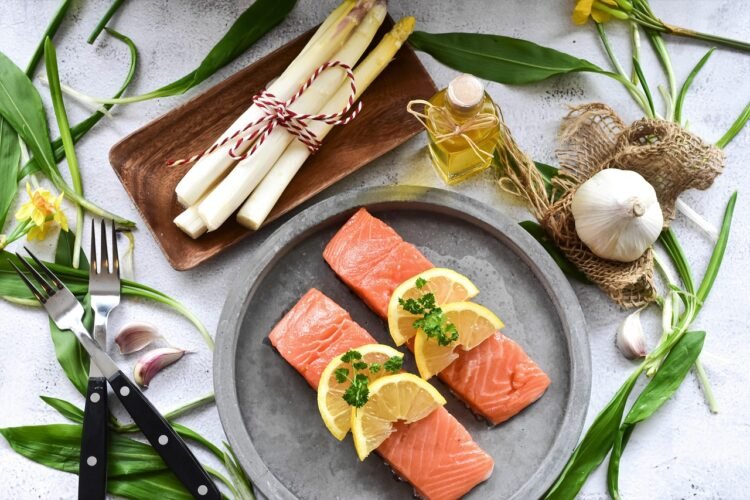
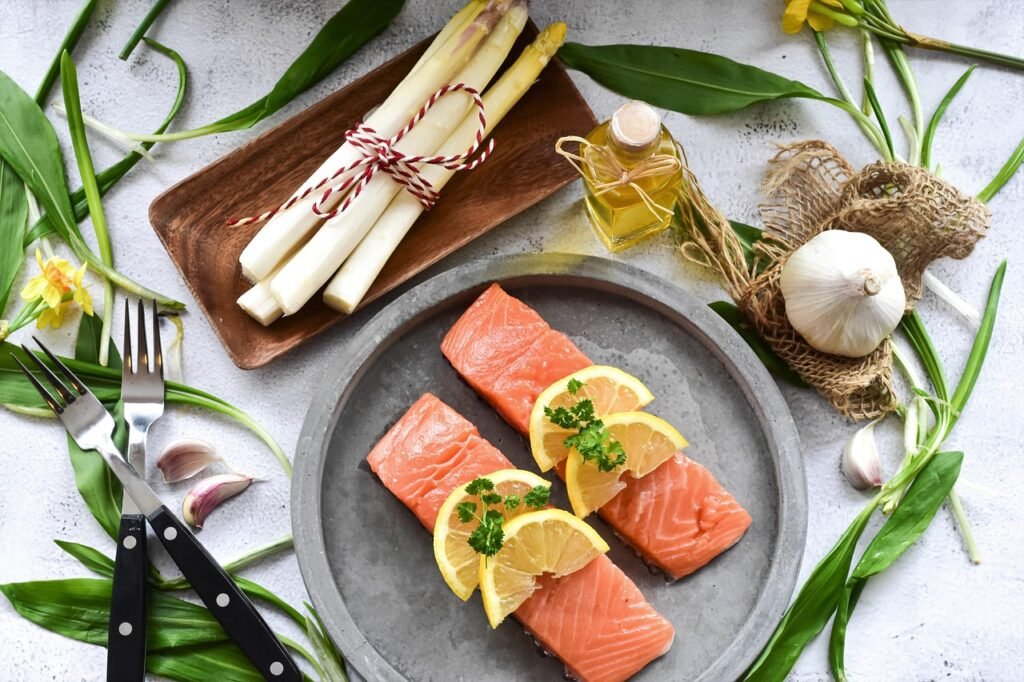
Fatty fish are among the most powerful anti-inflammatory foods because they contain omega-3 fatty acids (EPA and DHA). These nutrients help reduce inflammatory markers and support joint, brain, and heart health.
Aim for two portions per week.
2. Turmeric
Turmeric’s active compound, curcumin, is a powerful natural anti-inflammatory. It helps reduce pain and swelling in muscles, joints, and the digestive system.
For better absorption, combine turmeric with a pinch of black pepper and a source of fat such as olive oil or warm milk.
Try including a turmeric- latte in your evening routine—it’s soothing and promotes recovery. (See our underlined Tumeric latte post for the full recipe.)
3. Leafy Greens
Spinach, kale, and rocket are packed with antioxidants and polyphenols that protect your cells from oxidative stress. They’re also excellent sources of magnesium, which supports muscle relaxation and energy production.
Add a handful to smoothies, omelets, or salads daily.
4. Berries (Blueberries, Strawberries, Raspberries)
Berries are loaded with anthocyanins—natural compounds that reduce inflammation and improve recovery. They also support brain function and cardiovascular health.
A cup of mixed berries daily is an easy, delicious way to protect your body from inflammation and oxidative stress.
5. Extra Virgin Olive Oil
This is one of the healthiest sources of fat and a staple in many anti-inflammatory foods lists. Olive oil contains oleocanthal, a compound with natural anti-inflammatory properties similar to ibuprofen.
Use cold-pressed extra virgin olive oil on salads or vegetables.
6. Ginger
Ginger supports digestion, reduces pain, and helps prevent inflammatory conditions. Regular use can ease muscle soreness, bloating, and discomfort.
Grate fresh ginger into tea, stir-fries, or soups, or add it to your morning smoothie for a refreshing start.
7. Nuts and Seeds
Almonds, walnuts, chia seeds, and flaxseeds are nutrient-dense anti-inflammatory foods that provide omega-3 fats, fiber, and vitamin E. These nutrients support heart health and reduce inflammation.
Add nuts and seeds to yogurt, oatmeal, or salads.
8. Green Tea
Green tea contains catechins (especially EGCG), antioxidants that protect cells from inflammation and support metabolism. Drinking two cups daily can improve energy and reduce oxidative stress.
If you prefer a richer flavor or want a slower energy release, try matcha—a powdered form of green tea. (See our upcoming underlined Matcha vs Green Tea – Which Is Better for Focus and Energy? post.)
9. Garlic and Onions
Both garlic and onions contain sulfur compounds that boost the immune system and reduce inflammation in blood vessels. Garlic also supports detoxification and overall heart health.
Use raw or lightly cooked garlic whenever possible for maximum potency.
10. Tomatoes
Tomatoes are rich in lycopene, a powerful antioxidant that lowers inflammation and supports cellular health.
Cooked tomatoes—like sauces or soups—provide even more absorbable lycopene, especially when paired with olive oil.
How to Build an Anti-Inflammatory Plate
To get the biggest benefit, combine several anti-inflammatory foods throughout your day:
- Breakfast: Oatmeal with berries and flaxseed
- Lunch: Grilled salmon with leafy greens and olive oil
- Dinner: Vegetable soup seasoned with garlic, turmeric, and ginger
Color, variety, and freshness all increase the anti-inflammatory impact.
Explore More Natural Wellness Posts
- underlined Evening Rituals for Sleep and Recovery
- underlined 7 Natural Remedies for Acid Reflux and Stomach Acidity
- underlined Daily Wellness Stack: What I Take and Why
Final Thoughts
Chronic inflammation doesn’t happen overnight—and neither does healing. But every meal is a chance to nourish your body and reduce inflammation naturally.
By incorporating more anti-inflammatory foods into your routine, you’ll strengthen your immune system, improve recovery, and support long-term wellness. Small, consistent choices truly make the biggest impact.