Why Stomach Acidity Happens
Many adults experience burning sensations, heaviness, or discomfort after meals. These symptoms are often caused by acid reflux, a condition where stomach acid travels upward into the esophagus. Factors like stress, late-night meals, coffee on an empty stomach, and processed foods can all contribute.
Fortunately, there are several natural remedies for acid reflux that can help restore digestive balance without relying on medication. Small, consistent changes in your daily habits can make a significant difference.
1. Start Your Morning the Alkaline Way
Begin your day with warm water mixed with lemon and flaxseed instead of coffee. This combination gently stimulates digestion, balances pH levels, and prepares your stomach for food without triggering acid.
If you still enjoy coffee, have it after breakfast, not on an empty stomach. This simple change can significantly reduce morning acidity and discomfort.
2. Choose Soothing, Low-Acid Breakfasts
A calming breakfast sets the tone for your digestion throughout the day. Oats, bananas, and papaya are excellent choices because they help neutralize acid naturally. A bowl of oats topped with banana slices and honey is both satisfying and gentle on your stomach.
Try to avoid citrus fruits or heavy protein meals early in the day. These foods can be difficult to digest and may trigger reflux when acid levels are highest.
3. Drink Herbal Teas Instead of Sugary Beverages
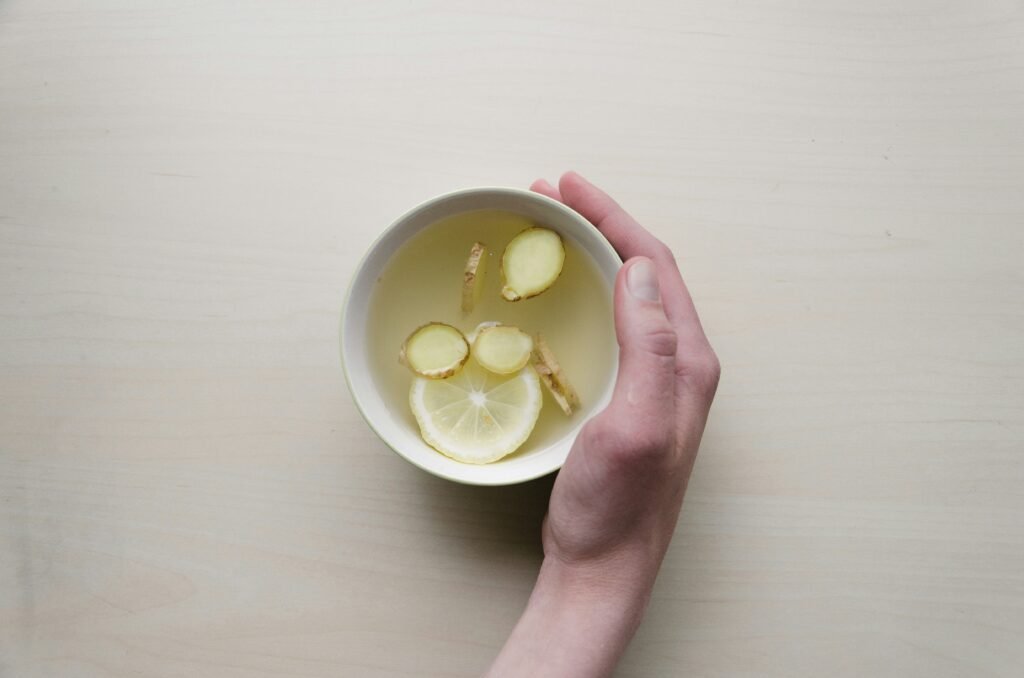
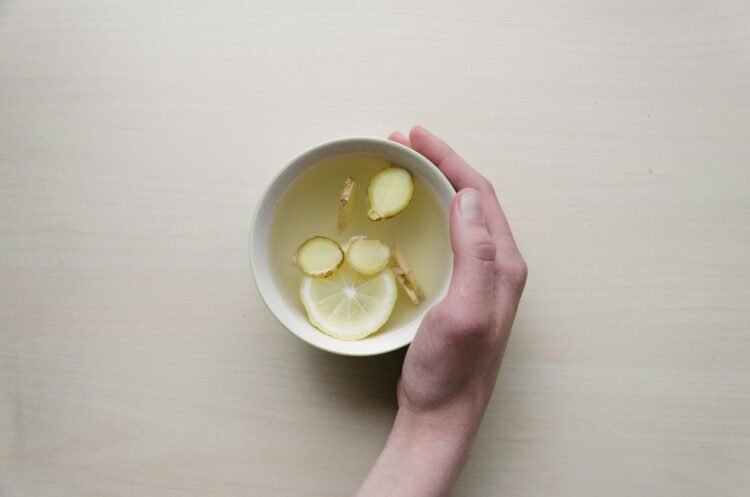
Herbal teas such as ginger, chamomile, and licorice root are traditional natural remedies for acid reflux. They help calm inflammation and support the protective lining of the stomach.
Drink a warm cup 30 minutes after meals to ease digestion. Avoid carbonated drinks and cold beverages, which can create pressure inside the stomach and push acid upward.
4. Move Gently After Meals
A short 10-minute walk after eating improves digestion and prevents acid from rising into the chest. Avoid lying down or bending forward right after a meal, as this position makes reflux more likely. Gentle movement signals the digestive system to process food more efficiently.
5. Eat Smaller, Slower Meals
Overeating expands the stomach, creating upward pressure that can push acid into the esophagus. Eat smaller portions and chew thoroughly to support natural digestion. Aim to eat until you’re about 80% full, and avoid distractions while eating. Mindful eating helps your brain and gut stay in sync, reducing the chance of overproduction of acid.
6. Manage Stress Before It Manages You
Stress increases stomach acid and slows digestion. Even brief moments of calm before meals can make a big difference. Try a few minutes of deep breathing, meditation, or light stretching before eating.
A relaxed body digests food better, and your nervous system transitions into the “rest and digest” state where acid levels stay balanced.
7. What to Eat and What to Avoid for Acid Reflux Relief
Some foods are more likely to trigger acid reflux than others. Limiting or avoiding fried foods, coffee, spicy sauces, and tomato-based meals can reduce irritation. On the other hand, adding alkaline foods like oatmeal, yogurt, boiled vegetables, and melons supports a calmer digestive environment.
Meal timing also matters. Try not to eat within two hours of bedtime and allow your body time to process dinner before lying down.
8. Create an Evening Routine That Supports Digestion
End your day with a light, soothing ritual. Stop eating two hours before bed, and sip a turmeric and ginger latte with honey to calm inflammation and promote healthy digestion.
(See our Evening Rituals for Sleep and Recovery)
Explore More Natural Remedies
For more related topics, visit:
- Top 10 Anti-Inflammatory Foods
- Matcha vs Green Tea: Which Is Better for Focus & Energy?
- The Gut–Prostate Connection: Why Digestive Health Matters
Final Thoughts
These natural remedies for acid reflux are not quick fixes, but with consistent habits, you can bring long-term relief and improve your overall digestion. Listen to your body, make mindful adjustments, and over time, the burning and discomfort will fade.
Balance is built in small daily rituals—your body will thank you for every one of them.